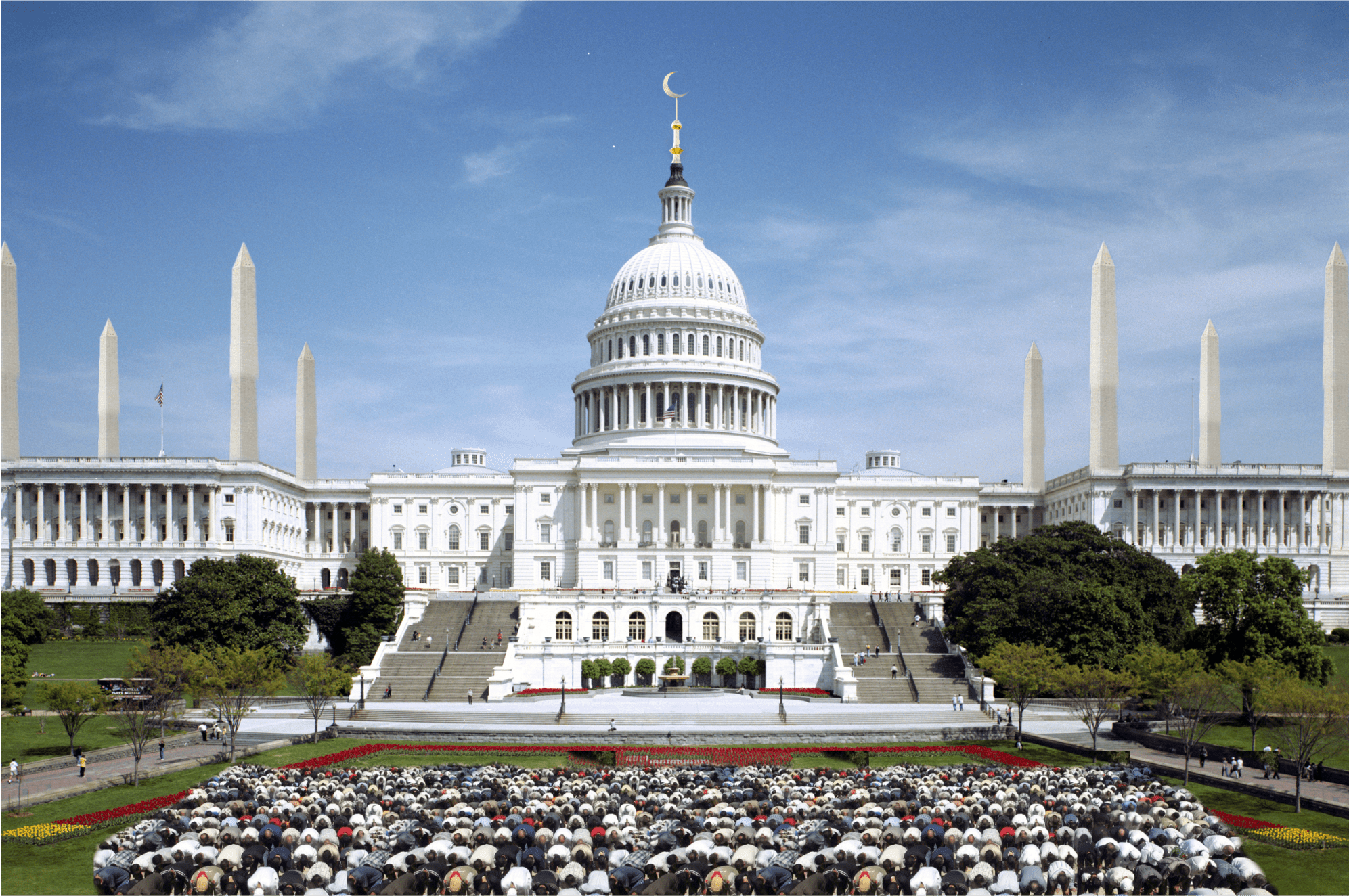
Figure 0. A speculative sketch of Capitol Hill converted into a mosque, Omar Mohammad, 2020
<aside> ⚠️ [i] Please note that throughout this essay, the western term mosque is being used in place of the correct Islamic term: masjid, which in Arabic is defined literally as “a place of prostration.” Mosque is a westernized form derived from dialects of the French: mosquée, the Italian: moschea, and the Spanish: mezquita.
I use “mosque” as an empathetic gesture to this audience, who have most likely been informed of Islam through a western lens where mosque, not masjid, is a familiar term.
</aside>
<aside> ⚠️ [1] Serageldin, Ismail, Space for Freedom: The Search for Architectural Excellence in Muslim Societies, (London: Butterworth Architecture, 1989), 255, →
</aside>
In Islam, the architecture of a mosque is able to create personal, geographical, and regional cultural identities pertaining to the place and boundaries of space it is located within. The mosque acts not only as a spiritual place of prayer, but as an important space for the community to grow together, as a beacon of the existence of Islam in reference to the culture of a particular region, and as a space for Muslims to share, create, and grow identity. The architectural identity of mosques around the world, however, differs based on its regional, societal, and cultural factors. A mosque in Morocco looks vastly different than a mosque in Saudi Arabia based upon factors of environmental landscape, climate, and both esoteric and exoteric culture. The architecture of a mosque “plays a role in defining, articulating and improving society's perception of itself…” [1]. Muslims in these countries culturally identify with their holy places of worship, which in turn gives them a sense of trust, belonging, and inheritance to the space and society they occupy. Granted, Islam in Morocco and Saudi Arabia dates its origin 1400 years ago. These countries, as with other eastern Islamic countries such as Turkey, Afghanistan, and Indonesia, have been able to develop a culture over time based solely and dominantly on the principles of Islam. Thus, they were able to mirror their culture into the architecture of their mosques. Conversely, as Islam began to make its way West, and as the West began to make its way to Islam, Islamic cultural identity slowly began to lose its grasp on the mosque.
The Islamic identity of America is an eclectic one constantly overpowered by which race or ethnic group holds ownership of the most important cultural space for a Muslim to share, create, and grow identity: the mosque. Not only that, but the architectural form of mosques in America today takes the form of old churches, business parks, or even homes. Built anew, the more grandiose “real” mosques are reflections of the culture and identity of Islamic regions in the east; back home. It is rare to find a mosques in America that holds true American identity. Through the research of cultural Islamic architecture and its comparison to the eclecticism and search for an early American architectural identity, I will attempt to convey why the mosque in America has yet to build architectural roots apropos to its American identity, and how this lack of identity affects the identity of the Muslim American community as a whole.
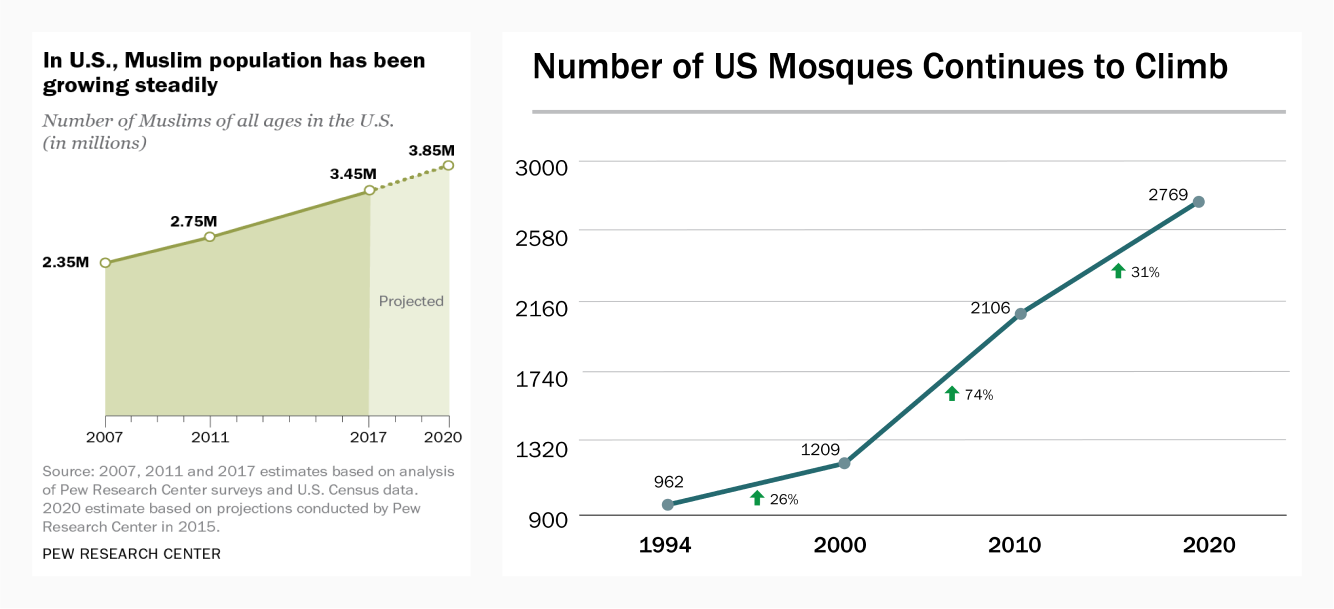
Figure 1. (left) US Muslim population growth, Pew Research, (right) The American Mosque 2020: Growing and Evolving, Institute for Social Policy and Understanding
<aside> ⚠️ [2] Mohamed, Besheer, New Estimates Show U.S. Muslim Population Continues to Grow, (Pew Research Center, 3 Jan. 2018), →
</aside>
<aside> ⚠️ [3] Abd-Allah, Umar Faruq, Islam and the Cultural Imperative, (Nawawi Foundation, 2004), 9 →
</aside>
Today there are roughly 3.45 million Muslims living in America [2] [fig. 1]. This statistic consists of an amalgamation of different ethnic, racial, and cultural groups, ranging primarily from South East Asian, Middle Eastern, and North African nations. The Islamic identity of America is an extremely eclectic one, yet this sense of cosmopolitanism cannot be found in the design and architecture of American mosques, let alone in the identity of individual American Muslims. In his paper titled Islam and the Cultural Imperative, American convert Dr. Umar Faruq Abd-Allah addresses this very issue that Muslims in America face. By remaining attached to the lands and cultures they left behind, Muslim immigrants are developing sub-cultures that revolve and only thrive within Islamic schools, college campuses, homes, and especially the mosque [3]. These sub-cultures reflect a counter-cultural approach to what it means to be American, causing American Muslims to live dual-lives: one at the mosque and at home, one in the outside world.
A typical administration structure for a mosque in America is determined by the ethnic or racial group that holds ownership of the property. The culture of these groups are then used as the foundations for who should be in charge, what should be taught, and what languages to speak. Dr. Abd-Allah states that, “Managing the mosque sub-culture is the biggest challenge, since it has already become ‘second nature’ for a vocal minority and difficult to reorient, despite the fact that it alienates a substantial part of the community.” Abd-Allah’s solution to this issue can be prescribed through the means of the architecture of the mosque: “A successful Muslim American culture would produce mosques which – like those of the traditional Islamic world – express fully the universal idea of the mosque in consonance with Islamic transcendental norms while creating American sacred space in harmony with an indigenous ethos and normative aesthetic sense.” Abd-Allah wants Mosques in America to look and feel American, just as the mosques in Morocco and Saudi Arabia look and feel Moroccan and Arab.
<aside> ⚠️ [4] Rabbat, Naseer, What Is Islamic Architecture Anyway?, (Journal of Art Historiography 6-NR/1, 2012), 3, →
</aside>
One of the first problems pertaining to the lack of a sound American mosque can be traced to the origins of Islamic Art and Architecture and the theories formed by western “orientalists” regarding it. According to Professor Nasser Rabat, the study of the architecture of the Islamic world was a post-Enlightenment European project. The term “Islamic Architecture” was never coined nor created by Muslims themselves. After toying with terms like “Mohammaden”, “Saracenic” or “Oriental”, “Islamic Architecture” was deemed fit and with it all Islamic art from varying cultures, regions, people, and countries (about 50) was homogenized into a single term and study [4]. By the 18th and 19th century, colonial powers, globalization, and western powers deemed Islamic Architecture to be a tradition of the past; a novelty that would not be taught in the schools. With this lack of an in depth education to the design and architecture of the eastern world within the architectural schools of the early 19th century, how can one blame the west for being unable to devise and design its own architectural form for a mosque? There was no blue print of avant-garde studies for Islamic architecture like those from the early 20th century German Bauhaus, or the constructivist Russians which both had a say in the development of the modern architecture of America. This pedagogy of pushing architecture from the traditional to the modern as it did in the western world never existed for Islamic architecture in America.
This search for an Islamic American architectural identity is extremely difficult to navigate within a landscape that has already been defined by an American (colonial) architectural history of almost 300 years. However, the search for a religious identity in America does not start with the Muslims; it began with the search for an original identity by the colonizing pilgrims of England. The pilgrims consisted of the Puritan and the Anglican church, each defined by their own personal beliefs, values, and ways of life. The easiest and most critical way to differ these two churches from one another was through their architecture. The Puritans believed in a purer way of religion, where the hierarchy to God was unnecessary: everyone could speak to and possess a relationship with God. They did not believe in the ornamentation of their places of worship, and disliked the need for music and celebration to praise their Lord. The Puritan church was simple, lacked ornamentation, and painted in dull, white colors [5] [fig. 2.1]. The Anglican church was highly decorative with intricate facades and stained glass windows, using interior design and space as a means to praise and prayer [5] [fig. 2.2]. These colonizers were (problematically) able to create a new identity and start up their colonies right off the boat through the design and construction of their places of worship.
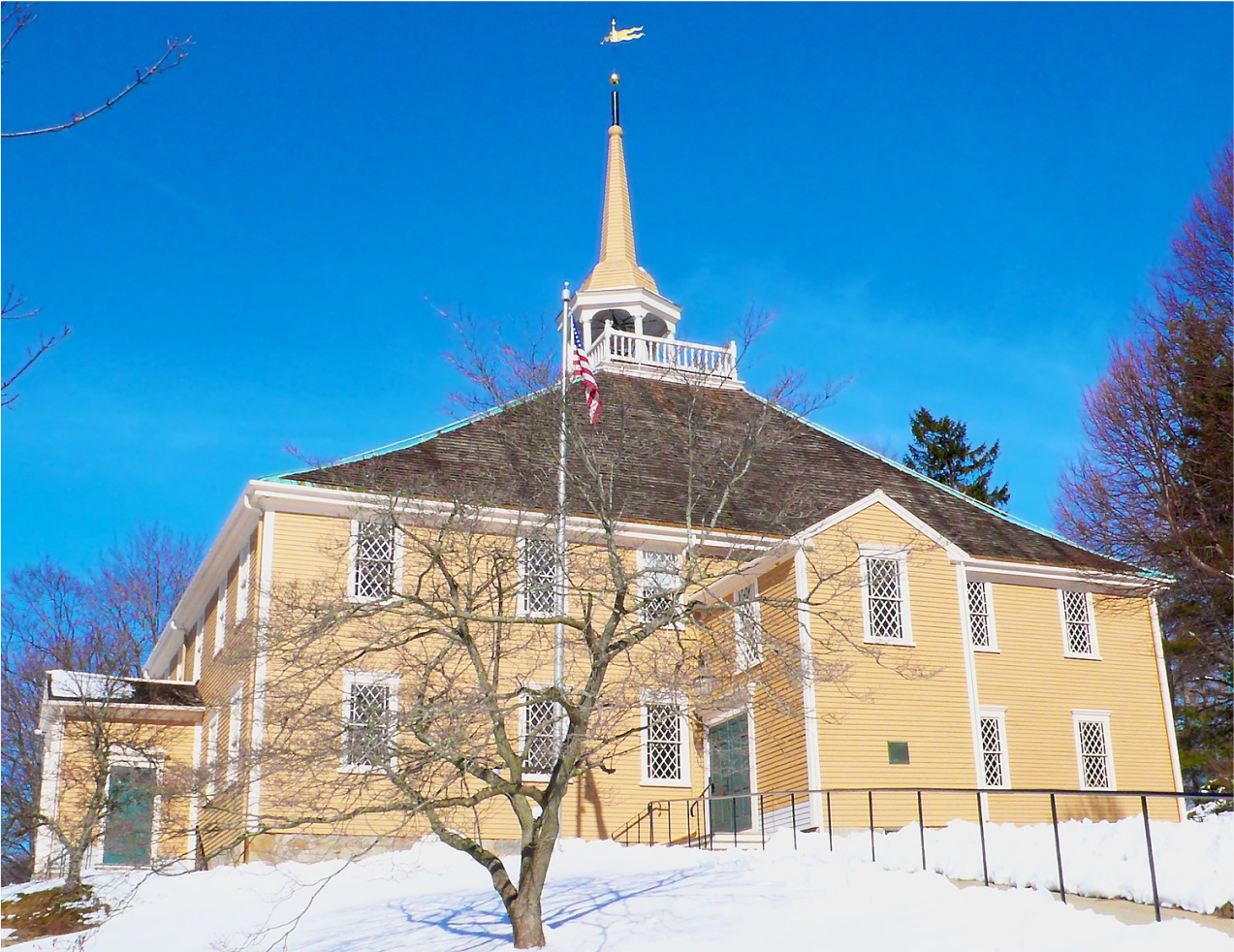
Figure 2.1. Puritan Church, Old Ship Church, Hingham, Massachusetts, (Timothy Valentine), →
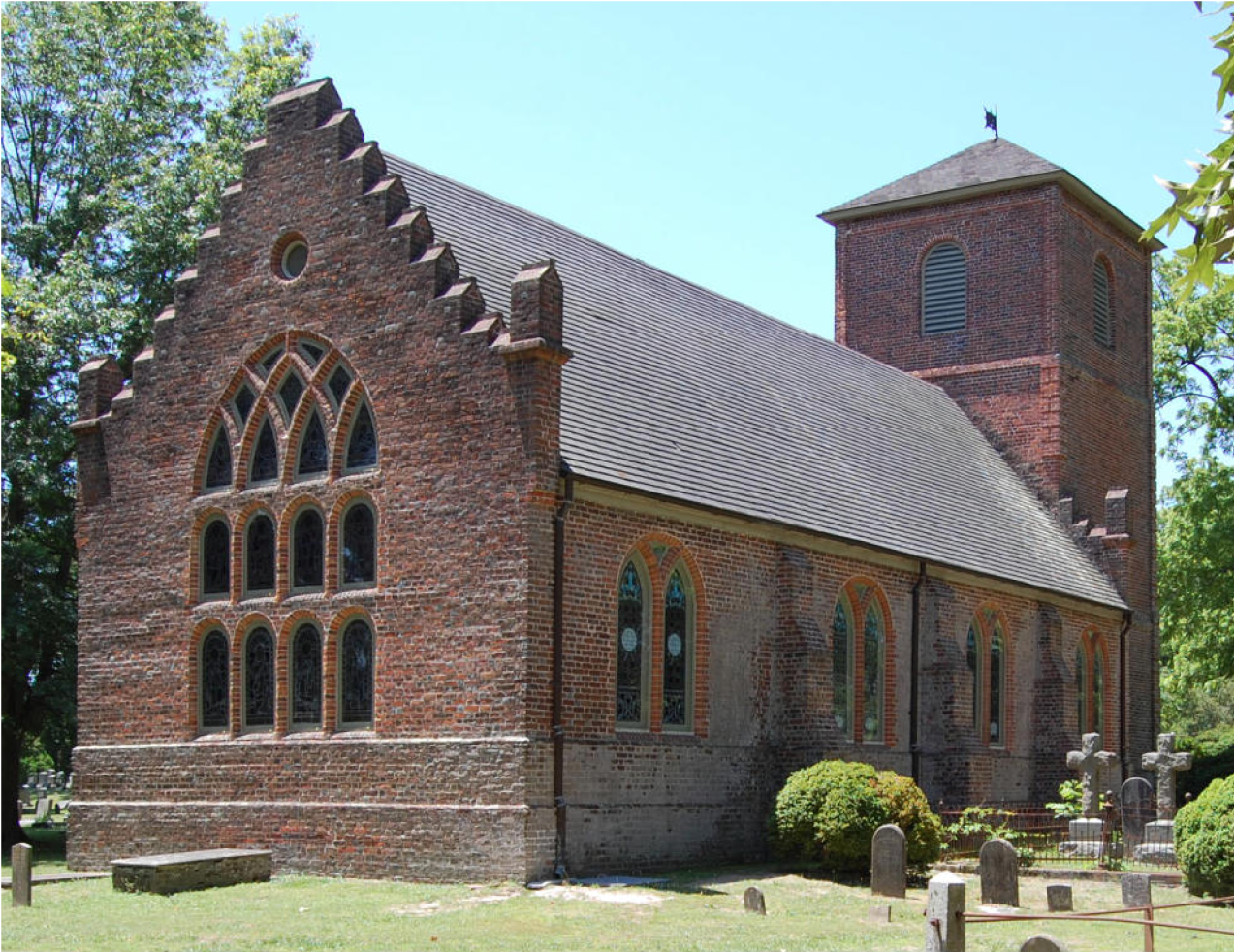
Figure 2.2. Anglican Church, Newport Parish Church, Smithfield, Virginia, (Carol M. Highsmith Kallicrates via Wikimedia Commons)
<aside> ⚠️ [5] Handlin, David P., American Architecture, (Thames & Hudson, 2004), 18 + 19, →
</aside>
This search for a bespoke architectural identity did not end with the church, however. As the population of the early United States began to increase, the need for an independent identity void of the culture in England became imminent. The structure of the Greek democratic government was used as a guiding force towards developing the government and the constitution of the United States of America. Adopting the classical methods towards the creation of a nation, neo-classical architecture was deemed the most appropriate fit for the newly developed country. Apses, domes, and columns were present not only in the buildings of DC, but also in those of plantations in the South. As time continued to pass, an eclectic approach of architecture was applied to the US, until the first skyscraper was born and a true American architecture was defined through modernism.
While Islam in America continued to grow, the architecture of the west continued without the influence of Islamic architecture, or much eastern architecture at all. When mosques were built from the ground up without much contextual inspiration, they looked liked one-off low-resolution copies of grand and majestic mosques “back home”. That said, the lack of funding for early muslim communities also forced mosques to take the form and shape of any place that would let them: old churches, businesses, or even homes. This eclecticism of not only form but function of mosque space leaves the everyday American with no clear image of what Islam truly looks like in America. With the lack of a strong aesthetic sense of the single most important place of worship, how could an Islamic identity thrive in America? Just as America defined its identity through time with its skyscraper cities, sprawling highways, and national parks, so too can it define an Islamic identity of its own.
Figure 3. Omar Mohammad, East Bay Area Mosques, (Google Maps), 2023
Figure 3. Omar Mohammad, East Bay Area Mosques, (Google Maps), 2023
It is important now to present multiple cases that demonstrate this lack of a defined identity of mosque architecture in America. Focusing on the East Bay Area of California between the borders of the Contra Costa County district, there exists five mosques within a ~25 mile radius of one another [fig. 3]:
Of these five mosques, only ICC was built from the ground up [fig. 4.2], yet it appears solely as a commercial rectangular box with green (the color of Islam) trimmings and Arabic above its sign. NICC has been newly housed within an old church; previously it belonged to a small room located above a smoke shop turned cowboy boot shop in a latino neighborhood [fig. 4.1]. WCIC was previously housed in a room located in a 7/11 and Starbucks parking lot. It is now housed within an old church located on a street where 3 other churches exist; one literally right across the street and one a block over.
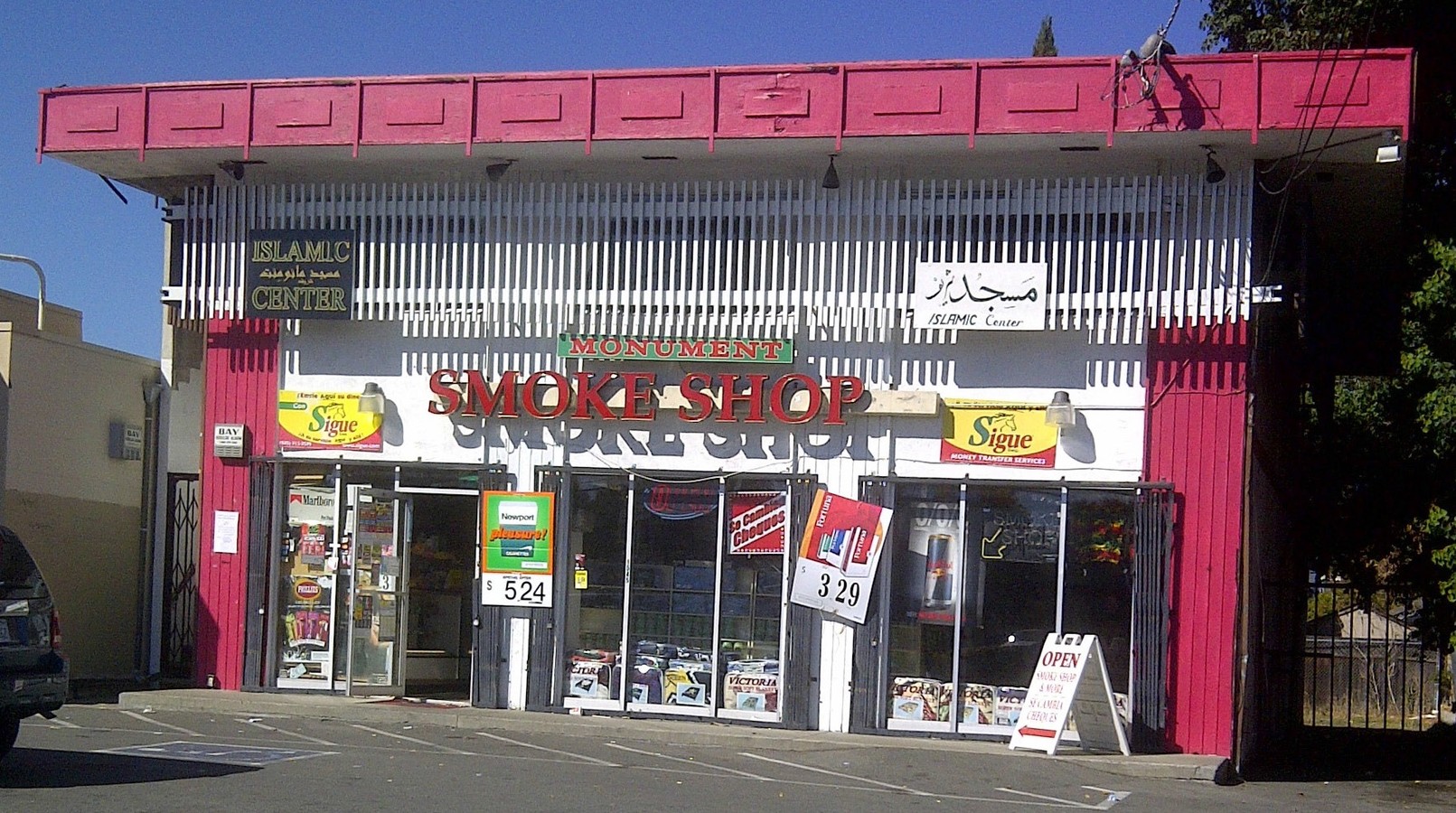
Figure 4.1. Previous location of NICC on the second floor of a retail building, Concord, California (Loopnet), →